January 2026
Newsletter
Happy New Year!
Dear Friends and Supporters,
As we begin 2026, I want to take a moment to reflect on what we’ve accomplished together this past year and where we’re headed next. 2025 was a landmark year for TC Reef and 2026 is when we bring it all together; all those years of behind-the-scenes work, networking, fundraising, endless optimism and conviction even when things didn’t work out, which they didn’t, several times. No matter what, our team kept focused on the goal, and in the late summer an opportunity presented itself.
Our last newsletter was a special edition announcing that we had signed a contract and placed a deposit on a property for TCRF’s future research and education facility. I’m thrilled to share that on December 15th, 2025, we officially closed on the $1.1 million property, making it the future permanent home of the Turks & Caicos Reef Fund. This milestone was made possible by an incredible community coming together. Our Board, our staff, our volunteers, our supporters who believe in the long-term future of marine conservation in the Turks and Caicos Islands, together we did it!
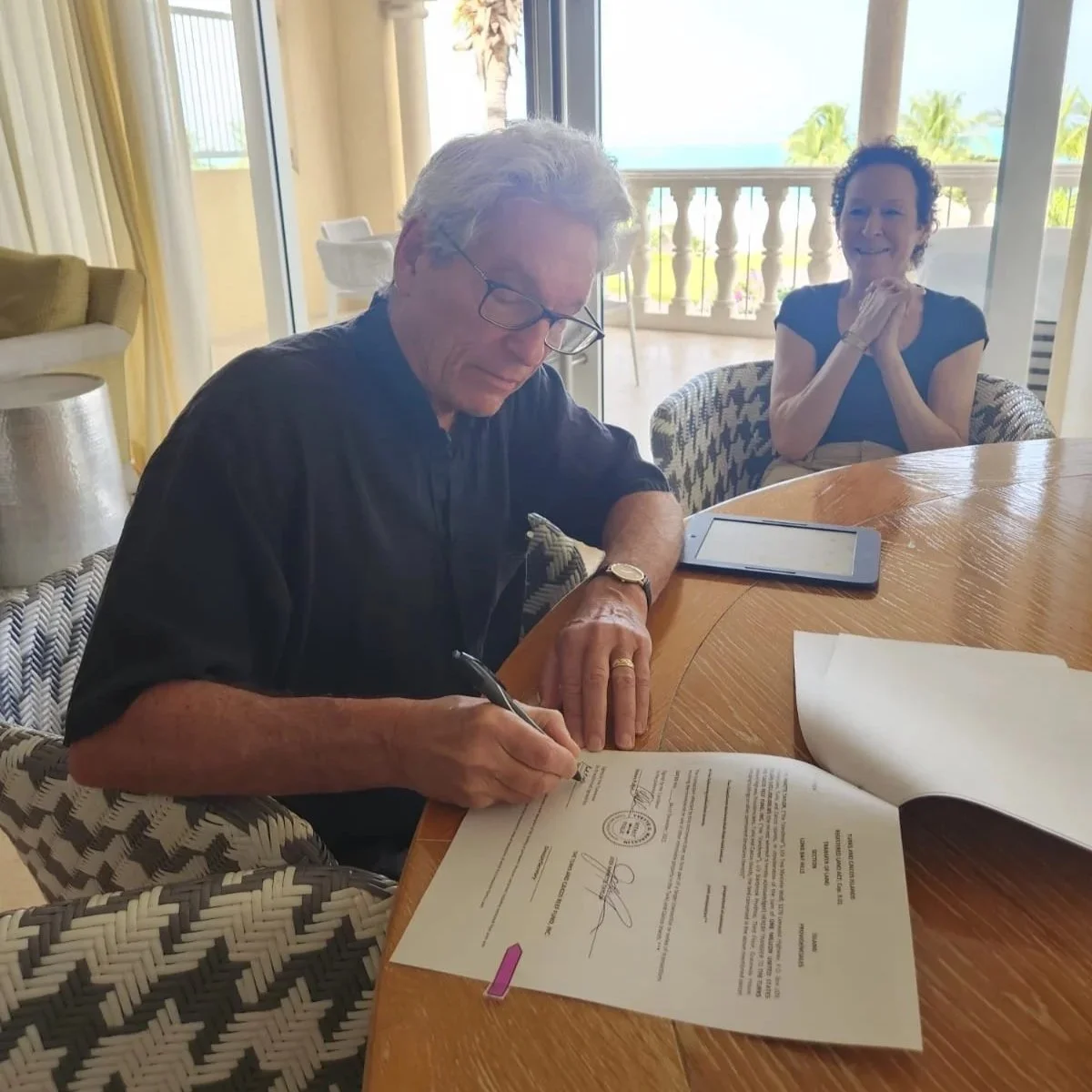
Chairperson, Joel Goldfarb, signing the closing documents on our land purchase.
In 2026, our commitment remains clear: to protect, preserve, and rebuild the coral reefs and marine ecosystems of the TCI through science, education, and local leadership. With the property secured, we are now in full fundraising mode for Stage 1 development of our research and education facility.
This next phase will give us a dedicated dry and wet lab as well as a separate, bio-secure and light controlled living coral biobank. Over the coming months we will be sharing our plans and progress so be sure to follow along and join the movement!
The Ocean Legacy Lane paver program has been instrumental in helping us cross the finish line on the property purchase, and it remains active. I encourage everyone to take part if you can. Many hands truly do make light work and every contribution helps build a solid, lasting foundation for environmental studies and conservation in our islands.
Add your name to Ocean Legacy Lane and stand with us. What we are building together is bigger than a facility – it is capacity, resilience, and opportunity for the Turks and Caicos Islands.
Onwards,

Alizée Zimmermann
Executive Director
Turks and Caicos Reef Fund
Positive News & Updates
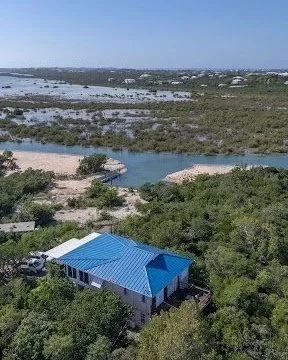
we secured our permanent home
On December 15th, 2025, TCRF officially became the owner of the property that will become our research and education facility.
This is an essential step toward long-term, locally led marine conservation in the Turks & Caicos Islands and we’re so excited to build it out.
reefsaver is back in the water
After close to a year of downtime, our work vessel Reefsaver is finally operational again (pending insurance). This was made possible thanks to a significant donation from the Grace Bay Resorts Foundation towards the replacement of our engine.
We are beyond grateful and excited to get back out there carrying out important fieldwork.
our team is growing
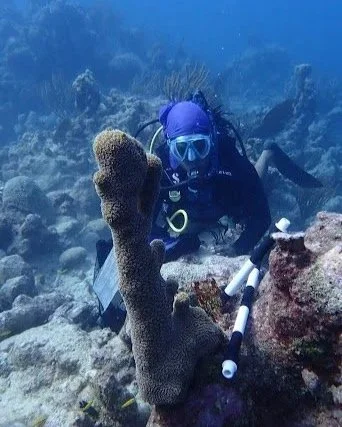
On January 5th, 2026, we welcomed our fifth staff member and third full-time team member. Sakile Garland joins TCRF as Research and Conservation Technician (Marine Genetics & Aquaria). Sakile holds a BSc in Biotechnology from the University of the West Indies and has been volunteering with TCRF for the past year after learning to SCUBA dive with us.
This year Sakile will be working directly with Dr. Michelle Taylor, an independent researcher with TC Reef and our Coral Aquarist Gracie Perry-Garnette to sequence the corals we currently have in our biobank thanks to a Darwin Plus Local grant.
We are incredibly proud to see her transition into this role and excited to have her skills strengthening our conservation and research capacity.
Realities & Challenges We’re Facing
people don’t talk about the struggles enough
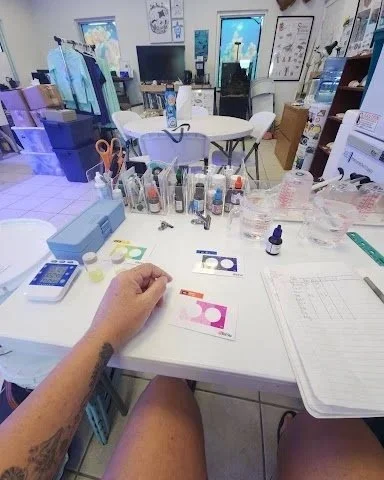
Land-based coral-husbandry, especially in a closed system, is hands-on, complex, and often constrained by space and resources. At our current facility, we are maintaining a high number of live corals in a limited footprint. When holding many animals in a small space, the risk of illness or infection spreading increases significantly.
To manage this, our team must vigilantly follow water chemistry trends and visually inspect colonies for signs of stress or change on a daily basis. Importantly, we have to maintain space for unexpected illnesses or ‘grievances’ (sometimes corals just get sick) without compromising biosecurity.This requires additional tanks, equipment, staff time, and constant monitoring and it limits how much we can safely scale our work.
These challenges are not failures, but natural growing pains of a new and evolving science. Long-term coral biobanking requires more than mass reproduction—it demands the careful preservation of genetically diverse colonies over time. Our new facility will significantly enhance our ability to separate systems, expand quarantine capacity, and respond more effectively to coral health issues as they arise, strengthening the resilience and longevity of our work.
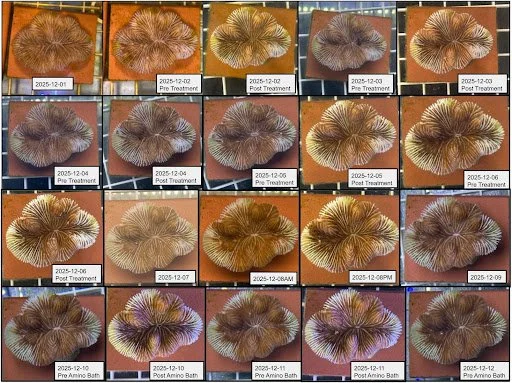
This montage shows a coral that started showing signs of illness on December 1st. I’m happy to report that it is continuing to heal nicely as can be seen by the next photo (on the right) from January 4th, 2026
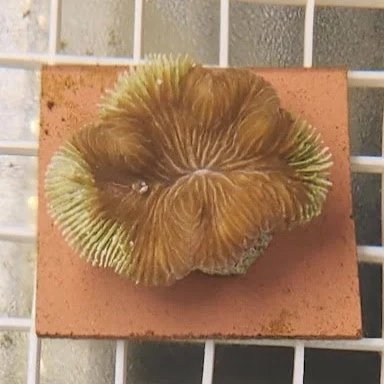
Photo taken January 4th 2026, we can notice that the tissue looks ‘fuller’ and has started to re-skin the skeleton.
we’ve got a lot of work ahead
Because the boat has been out of the water for so long now, our ability to keep up with mooring maintenance, coral nursery maintenance and monitoring has been significantly impaired. We’re excited to be getting back to work and you can expect to see us out on the water a lot more this year! Our goal is a minimum of 2 field days a week.
One for research or conservation projects and one for moorings. Field days cost approximately $1,000 bare bones when you take into consideration fuel, engine hours, captain and crew, not to mention the cost of the materials we’re using in our conservation work.
If you’re interested in volunteering and getting involved please reach out to the team by emailing info@tcreef.org.
Trying to be more eco-conscious in your home?

reduce plastic
Try using detergent sheets!
Instead of those big bulky plastic bottles consider trying detergent sheets for more eco-friendly alternative.
There are numerous options out there and they work as well as the liquid or powders but without the mess and without the plastic!
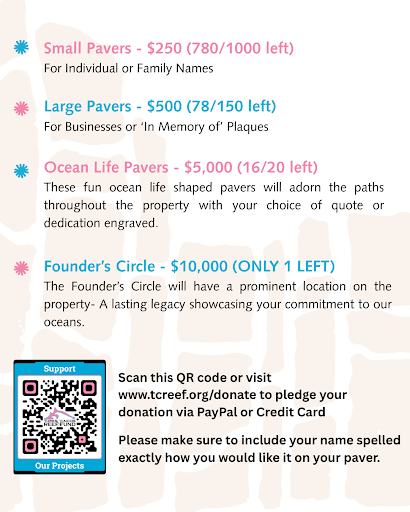
Ocean Legacy Lane Pavers
donate today
Paver sponsorships directly support Stage 1 development of our research and education facility and remain one of the most tangible ways to be part of this legacy!
Ocean Legacy Lane will feature engraved pavers placed throughout the property, recognizing individuals, families, businesses, and ocean champions.
Each paver—whether a personalized name, ocean life design, or Founder’s Circle dedication—becomes a permanent symbol of your support and commitment to ocean conservation.
monthly giving option
“Do not underestimate the importance of consistency.”
A mentor told me that once and it remains true in almost every aspect of my life. Monthly giving is a wonderful way of helping us remain consistent. Steady, predictable support helps us plan fieldwork, research, staffing, and equipment needs. You can sign up for Monthly Giving through the Paypal Donation link on our website.
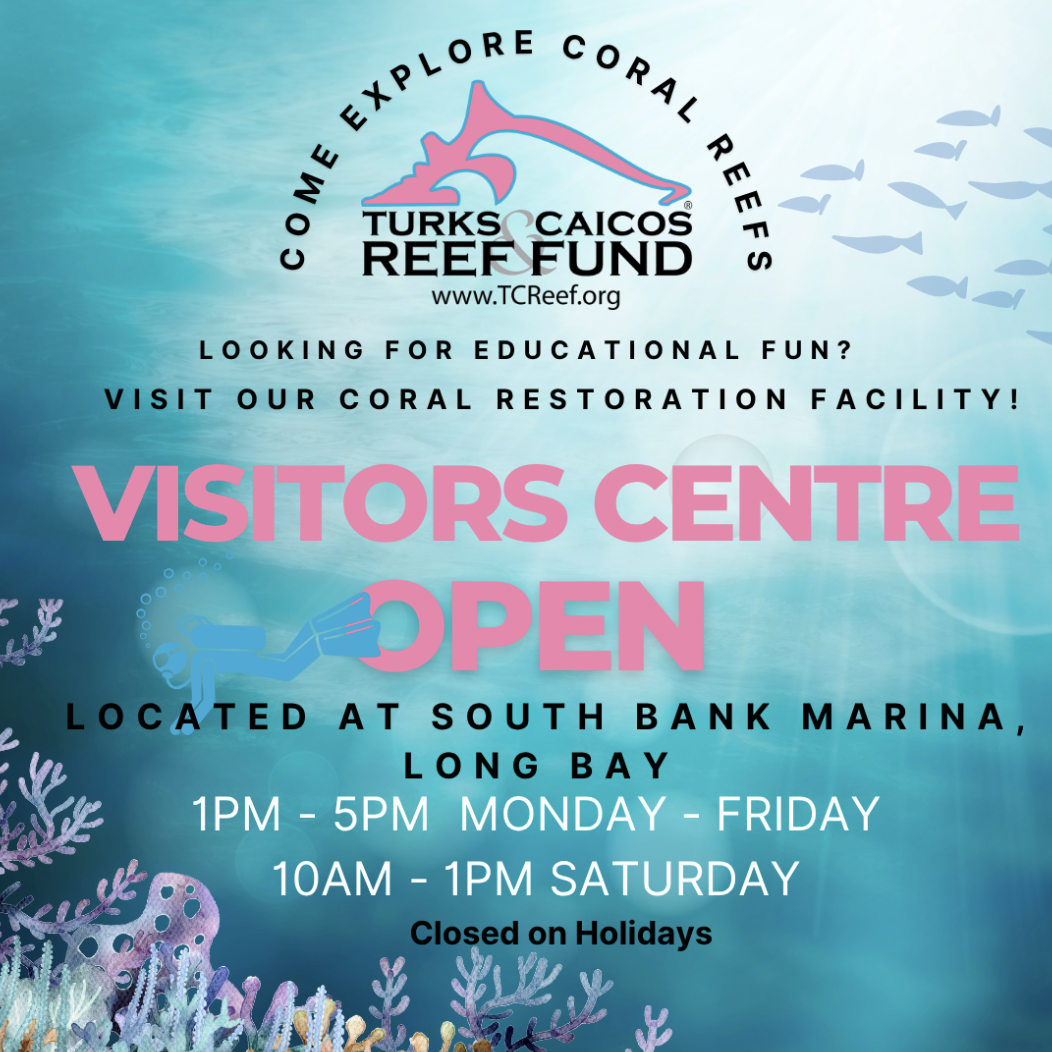
visit our facility
Keep an eye on our social media pages for updates, job postings, and new ways to get involved.
Your support truly helps us keep the momentum going for our reefs!
““Long-term thinking is the foundation of everything that endures.””